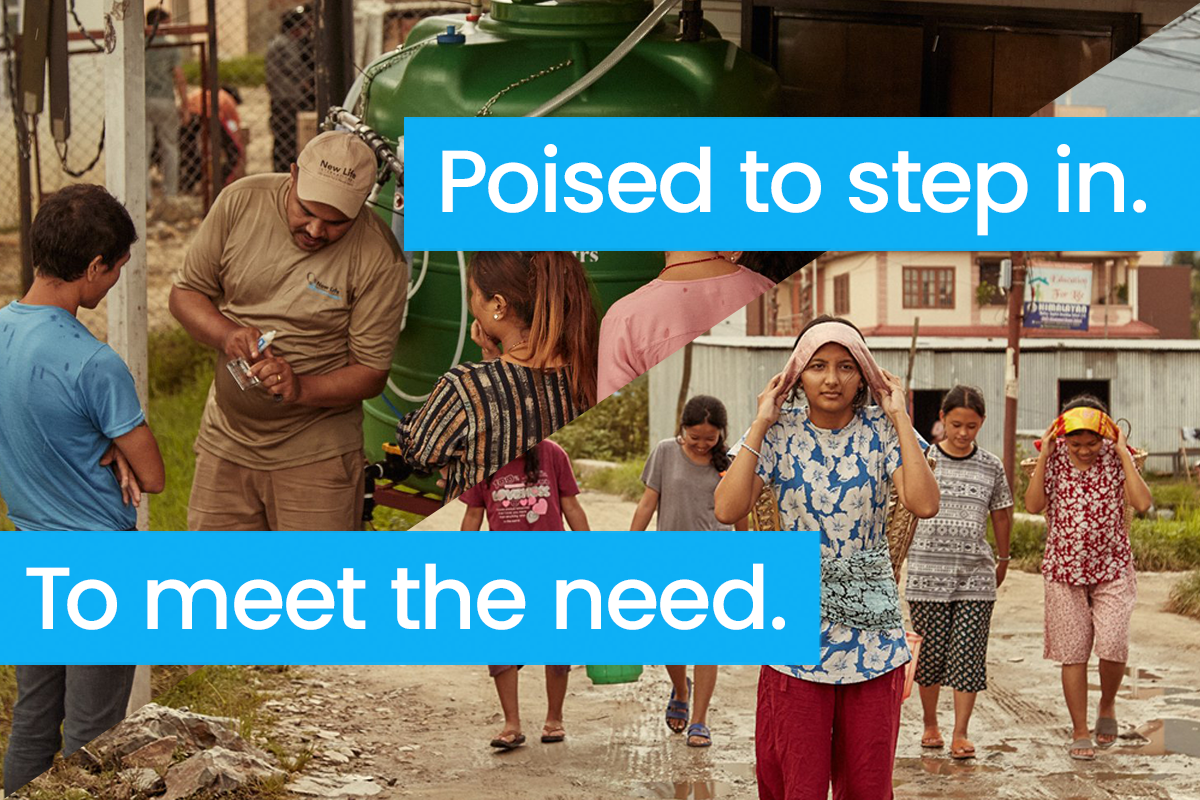
As we reflect on 2024, New Life International is excited to share the remarkable progress made in providing safe water and the hope of the Gospel to communities across the globe. Since inception, 4542 water purification systems have been deployed and installed in 85 countries, benefiting over approximately 4.5 million people. This year, we’ve reached new milestones, delivering 100 safe …
How the USAID Pause Creates New Opportunities for New Life International
At New Life International, we remain deeply committed to our cause of bringing both safe water and the living water of Jesus Christ to communities in need around the world. We are fully independent of federal funding and rely solely on the generosity of our dedicated donors. Your support is the driving force behind every life-saving water system installed, every …
Reaching Hundreds of Communities in Colombia: A New Opportunity for Transformation Identified
At New Life International, we believe that bringing hope and healing to people around the world requires more than just providing immediate relief—it involves sustainable, community- engaged transformation. As we look to 2025, one of the most exciting opportunities lies in Colombia, where we aim to reach hundreds of communities, providing them with not only safe water but also the …
Meet The New Director of New Life Ministries: Mark Estes
We are excited to welcome Mark Estes as the Director of New Life Ministries at New Life International. With over two decades of experience in cross-cultural ministry and organizational development, Mark brings valuable expertise to our team. His background in humanitarian work, leadership development, and partnerships with local churches makes him a perfect fit for New Life’s mission to address …
Bringing Safe Water and Living Water to El Salvador’s Prisons: The 25 for 25 Initiative
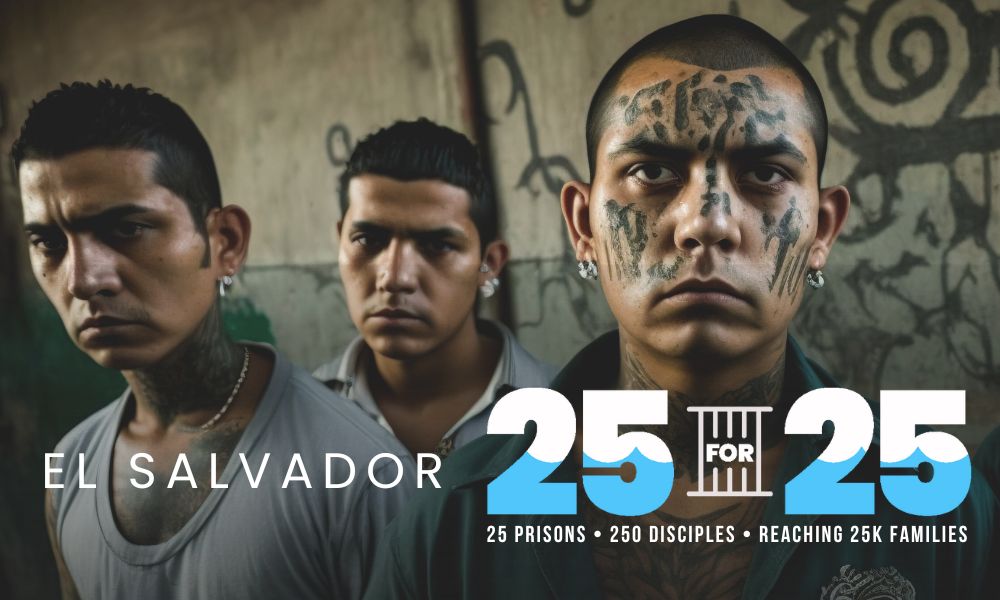
In 2025, New Life International (NLI) is launching an ambitious project to bring both safe water and living water to all 25 prisons in El Salvador over the next 5 years. With the country’s prison system being the most overcrowded in the world, this initiative seeks to address both the physical and spiritual needs of inmates, prison staff, and their …
The Church of Northern Guatemala Showing Compassion to 1500 Refugees Fleeing from Southern Mexico’s Drug Violence
This story comes from Guatemala, in Huehuetenango, Cuilco, at border of Guatemala and Mexico. It tells of Mexican families fleeing because the drug cartels have taken much of the Mexican territory. It is the first time reported that people migrate from north to south, as the norm is south to north migration patterns as people seek to reach the United States. In the community of Nueva Reforma, we see it is more common to meet Mexican people instead of Guatemalans. About 300 Mexican refugee families are living or rather surviving here.
Clean Water Brings New Beginnings in Nambol Naorem
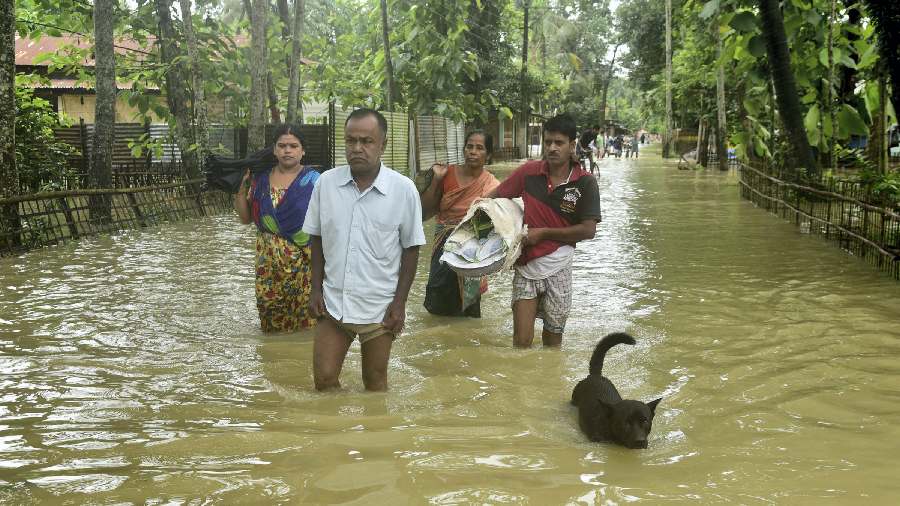
The village of Nambol Naorem, located under the Nambol Municipal Council in Bishnupur District, is home to over 120 households and a population exceeding 700. The villagers rely on the nearby Uthrapat wetland for their water needs, as they have since they have lived there, and while the wetland sustains their livelihoods, it also poses challenges. The men of the community work as fishers, daily labourers, small-scale self-employment or in limited private or government jobs, while women are primarily engaged in weaving and domestic work to support their families.
The Story of Emmanuel’s Transformation in El Salvador
Emmanuel is a neighborhood in very high vulnerability conditions, where 103 families (500 people)live on one side and a similar number on the other. The conditions are very harsh and people are exposed to diseases because problems such as lack of access to drinking water are practically a luxury that they cannot have. They don’t have a toilet within their shelter, there are toilet 2 toiletsand 2 bathrooms for all the people in the community, some of them have to walk 125 mts to reach them.
The Caste Systems of South Asia Present in Colombia
Abosquecer is a community formed by 180-200 people. Their work is farm labor for the most part. Until August 2024, the government hasn’t recognized the community legally, so, they don´t have water, education or health services. The people are forced to travel 10 kms away to obtain these basic services. In the community are two handcrafted wells with contaminated water.